
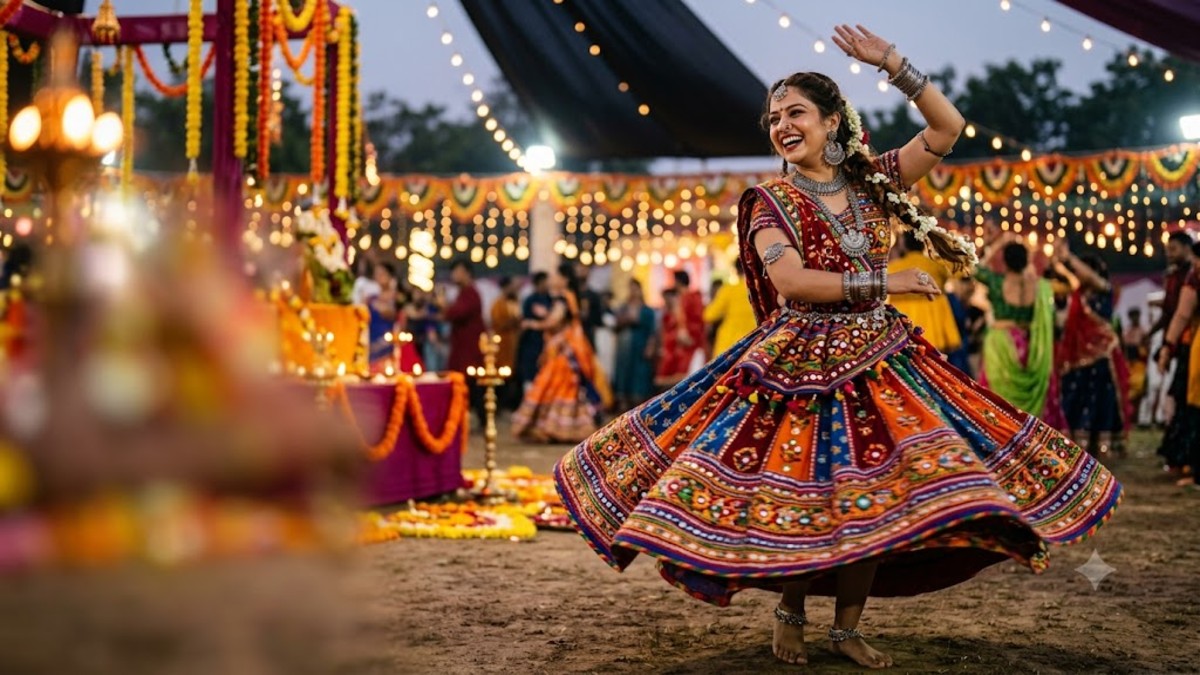
Navratri is one of those Indian festivals where clothing becomes part of the celebration itself. Across India, people dress in traditional outfits, experiment with colours, wear festive jewellery and prepare their look around the kind of celebration they are attending. For many, getting dressed is not simply about looking good; it is part of getting into the spirit of Navratri.
The right Navratri outfit can also change depending on the occasion. A Garba night calls for something comfortable enough to move in, a family puja may suit a more understated traditional look, while a festive gathering gives you more freedom to experiment with colour, embroidery and accessories. If you are visiting India during Navratri, choosing what to wear can also become a wonderful way to participate respectfully in the local culture.
From colourful Chaniya Choli and traditional lehengas to Kurta sets, sarees and coordinated outfits for children, there are plenty of possibilities. The key is to find a balance between tradition, comfort and your own personal style.
What Makes a Good Navratri Outfit?
A good Navratri outfit should feel festive without becoming difficult to wear. This is especially important if you are planning to attend Garba or Dandiya celebrations, where dancing can continue for several hours.
Colour, movement and traditional details naturally work well for Navratri. Mirror work, embroidery, Bandhani-inspired patterns, colourful fabrics, ethnic jewellery and traditional silhouettes can create a festive appearance without requiring an elaborate costume.
Comfort should be part of the decision from the beginning. A beautiful outfit that restricts movement, feels too heavy or becomes uncomfortable after an hour may not be the right choice for a Garba night. Think about the event, weather, venue and amount of movement before deciding what to wear.
If you are still exploring the festival itself, start with our Navratri guide before planning your complete celebration.
Traditional Navratri Outfit Ideas
Traditional Indian clothing remains at the heart of Navratri fashion. Although styles differ across regions, several outfits have become particularly popular for festive celebrations.
Chaniya Choli
Chaniya Choli is one of the most recognisable Navratri outfits, particularly in Gujarat. The combination of a colourful flared skirt, fitted blouse and dupatta creates a natural sense of movement, making it especially suitable for Garba.
Mirror work, embroidery, colourful threadwork and traditional patterns are commonly used to create a festive appearance. You can choose a heavily decorated outfit for a major Garba event or a simpler version for a family celebration.
For first-time visitors to India, a Chaniya Choli can also provide a memorable introduction to the visual culture surrounding Gujarati Navratri.
Lehenga or Ghagra
A traditional lehenga or ghagra offers another versatile option. Depending on the design, it can work for Garba, family gatherings, festive dinners or Navratri events.
For dancing, consider a lighter skirt and comfortable blouse rather than choosing an outfit solely because it has heavy embroidery. The right combination of fabric, fit and movement can make the entire evening more enjoyable.
Saree
A saree is a timeless option for women who want a more elegant Navratri appearance. Bright colours, traditional prints, embroidered borders and festive jewellery can create a look that feels celebratory without being overly elaborate.
For an active Garba night, the way the saree is draped matters as much as the saree itself. A secure drape and comfortable footwear can make a significant difference.
Kurta and Ethnic Sets
Traditional Kurta sets are an easy option when you want something festive but practical. Women can pair a colourful Kurta with palazzos, trousers or a traditional skirt, while men can choose a Kurta with comfortable trousers or a traditional bottom.
This is particularly useful for family celebrations, workplace events and people who want to participate in Navratri without wearing a heavily embellished outfit.
Navratri Outfit Ideas for Garba and Dandiya
Garba and Dandiya nights require a slightly different approach to dressing because movement is central to the experience.
A good Garba outfit should allow your arms and legs to move comfortably. Lightweight fabrics, secure fastenings and manageable layers are generally more practical than extremely heavy outfits.
For women, Chaniya Choli, lehengas and colourful fusion outfits can work well. Men can choose Kurta-Pyjama combinations, Kediyu-inspired outfits or a Kurta paired with comfortable trousers.
Footwear deserves special attention. Traditional footwear can complete the look, but make sure it is comfortable and secure enough for standing and dancing for extended periods.
Jewellery should also be chosen with movement in mind. Large earrings, bangles and necklaces can look beautiful, but excessive accessories may become uncomfortable during dancing.
The best Garba outfit is ultimately one that allows you to forget about your clothes and enjoy the celebration.
Navratri Outfit Ideas for Women
Women have an enormous range of choices for Navratri, from traditional Gujarati outfits to modern ethnic-fusion combinations.
A colourful Chaniya Choli is ideal for those who want a classic Garba-inspired appearance. A saree works beautifully for a more graceful and traditional look, while an embroidered Kurta set can offer a balance between festive style and everyday comfort.
You can also create a contemporary look by combining one traditional element with modern clothing. For example, a simple ethnic skirt can be paired with a modern blouse, or a plain Kurta can be transformed with a colourful dupatta and statement jewellery.
Instead of buying an entirely new outfit, consider updating something you already own. Changing the dupatta, adding jewellery or introducing a festive pair of shoes can make an existing outfit feel completely different.
Navratri Outfit Ideas for Men
Men’s Navratri fashion can be both traditional and comfortable.
A colourful Kurta-Pyjama is one of the simplest choices for family celebrations and festive gatherings. For Garba nights, a Kediyu-inspired outfit can create a distinctly Gujarati festive look.
Bandhani-inspired fabrics, embroidered waistcoats, colourful stoles and traditional footwear can also add personality without making the outfit unnecessarily complicated.
For a modern ethnic look, try pairing a plain Kurta with a patterned jacket or waistcoat. This approach works particularly well when attending an office celebration where you want to look festive while remaining relatively understated.
Navratri Outfit Ideas for Kids
Children can be part of the festival atmosphere through their clothing as well.
Girls can wear miniature Chaniya Choli, lehengas or colourful ethnic dresses, while boys can wear Kurta-Pyjama sets or traditional-inspired outfits. Bright colours, comfortable fabrics and simple accessories are generally more practical for children.
The most important consideration is comfort. Children may spend considerable time playing, dancing and moving around, so avoid outfits that are excessively heavy, restrictive or difficult to manage.
Navratri is also an opportunity to teach children that traditional clothing is connected to culture and celebration. Let them choose colours, accessories or parts of their outfit so getting dressed becomes part of the festival experience rather than simply another task.
Navratri Jewellery and Accessories
Accessories can completely change a Navratri outfit.
For women, oxidised jewellery, colourful bangles, jhumkas, necklaces and traditional hair accessories can add character to a simple outfit. Men can use stoles, waistcoats, traditional footwear or subtle jewellery to add festive detail.
The trick is balance. If your outfit already contains extensive embroidery or mirror work, simpler jewellery may allow the clothing to remain the focus. A relatively plain outfit, on the other hand, can benefit from more noticeable accessories.
Think of accessories as a way to personalise an outfit rather than something that needs to be added simply because it is traditional.
How to Use Navratri Colours in Your Outfits
Colours are an important part of contemporary Navratri celebrations, with many people choosing a different colour for each day.
You do not necessarily need nine completely different outfits to participate.
A practical approach is to build a small festive wardrobe around versatile base pieces. You might use the same skirt with different blouses, change your dupatta, or introduce the day’s colour through jewellery, footwear or another accessory.
This approach is especially useful for families, students and travellers who want to participate in the colour tradition without purchasing nine complete outfits.
You can learn more about the symbolism and traditions surrounding the 9 Colors of Navratri.
What to Wear for Navratri When You Are Dancing
Garba and Dandiya are active celebrations, so fashion needs to work with movement rather than against it.
Choose clothing that gives you enough space to move naturally. Test the outfit before the event, particularly if it contains a long dupatta, heavy jewellery or layers that may shift while dancing.
Secure your footwear and avoid anything that causes discomfort after extended standing. If you are attending a large outdoor celebration, also consider the weather and the amount of time you will spend travelling between locations.
A useful rule is simple: if you would be uncomfortable wearing the outfit for several hours, it probably needs adjustment before the celebration begins.
For a deeper look at the cultural experience behind the dancing, explore our guide to the Garba Dance Festival.
Navratri Outfit Ideas for Families
Coordinated family outfits can make Navratri celebrations especially memorable.
The coordination does not need to mean identical clothing. Instead, choose a shared colour palette, fabric style or traditional detail. Parents might wear complementary colours while children wear smaller versions of the same festive theme.
This works particularly well for family photographs and community celebrations. It also allows every family member to retain their own style rather than forcing everyone into the same outfit.
For a home celebration, you can keep the clothing more comfortable and relaxed. For a Garba night or public event, the family can move towards brighter colours and more traditional festive details.
Navratri Outfit Ideas for School and Office Celebrations
Navratri is increasingly celebrated in schools and workplaces, where the right outfit may need to balance tradition with practicality.
For school events, children can wear comfortable ethnic clothing that allows them to participate in dances and activities. Teachers and staff can choose simple traditional outfits that reflect the occasion without being difficult to wear throughout the working day.
For offices, Kurta sets, sarees, ethnic shirts, jackets and subtle festive accessories can create a celebration-friendly appearance without requiring elaborate costumes.
The idea is to make cultural participation accessible. A person should not feel that they need to spend a large amount of money before they can take part in Navratri.
How to Build a Complete Navratri Look
Think of your Navratri outfit as a complete experience rather than a single piece of clothing.
Start with the main outfit. Then consider the footwear, jewellery, hairstyle, accessories and the type of celebration you will attend.
For a Garba night, prioritise movement and comfort. For a family puja, a simpler traditional outfit may be more appropriate. For a festive dinner, you may want a more polished ethnic look.
If you are shopping for the festival, make a small list before buying anything. This prevents the common problem of purchasing several attractive pieces that do not actually work together.
A versatile outfit that can be styled in two or three ways may ultimately be more useful than several outfits worn only once.
Shop Smart for Navratri Fashion
Navratri creates a natural opportunity to explore traditional Indian fashion, but shopping does not have to mean buying everything new.
Start by checking your existing wardrobe. A plain Kurta, skirt, saree or traditional shirt may become a completely different festival look with the right accessories.
If you do need to shop, prioritise pieces that can work beyond Navratri. Traditional jewellery, ethnic jackets, dupattas and versatile clothing can often be reused for Diwali, weddings, cultural events and other celebrations.
For IndianFestival101, this is where fashion content can become genuinely useful commercially. Carefully selected fashion and jewellery recommendations can help readers discover products while keeping the article focused on helping them create a complete celebration experience.
From Navratri Outfit to the Complete Celebration
Fashion is only one part of Navratri.
The outfit becomes more meaningful when it connects with the rest of the celebration: decorating the home, preparing traditional food, attending Garba, participating in puja, spending time with family and discovering the cultural traditions behind the festival.
If you are celebrating at home, you can combine your new outfit with a decorated puja space, festive food and family activities. Our guide to Navratri decoration ideas can help you build that atmosphere.
If you are observing the festival through fasting, explore our guide to Navratri fasting food for ideas and traditions.
This is also where the future IndianFestival101 Navratri Celebration Kit can become part of the journey. Instead of treating a celebration kit as another product, the goal is to create an organised system that helps families plan their celebration, activities, food, decoration and nine-day experience.
Experiencing Navratri in India
For travellers, Navratri fashion can become part of a much larger cultural experience.
Wearing traditional clothing while attending a Garba celebration, visiting a decorated temple, sharing festive food or participating in local celebrations can create a more immersive connection with the festival.
However, visitors do not need to imitate every tradition perfectly. Choosing comfortable traditional clothing, learning about the local celebration and participating respectfully are more important than creating a perfect festival look.
Navratri is celebrated differently across India, and that diversity is part of what makes the festival fascinating. Gujarat is particularly famous for its Garba and Dandiya celebrations, while other parts of India have their own regional customs, foods, rituals and forms of worship.
For international visitors, the clothing can therefore be the beginning of the experience rather than the destination itself.
Make Your Navratri Style Part of the Celebration
The best Navratri outfit is not necessarily the most expensive, elaborate or heavily decorated one. It is the outfit that fits the occasion, feels comfortable and allows you to participate fully in the celebration.
For some people, that may mean a traditional Chaniya Choli covered in colourful mirror work. For others, it may be a simple Kurta, saree, ethnic dress or a modern outfit with traditional accessories.
What matters is the connection between what you wear and how you celebrate.
Navratri brings together devotion, music, dance, food, family, community and cultural expression. Fashion gives that celebration a visible identity, but the real experience begins when you step beyond the outfit and become part of the festival.
Frequently Asked Questions
What are the best Navratri outfit ideas for Garba?
Chaniya Choli, lehengas, colourful ethnic-fusion outfits, Kurta sets and traditional Gujarati-inspired clothing are popular choices for Garba. The most important consideration is comfort and freedom of movement because Garba involves extended dancing.
What should women wear for Navratri?
Women can choose from Chaniya Choli, lehengas, sarees, Kurta sets, ethnic dresses and fusion outfits. The best choice depends on whether the occasion is a puja, family gathering, Garba night, office event or another celebration.
What should men wear for Navratri?
Men can wear Kurta-Pyjama, traditional Gujarati-inspired outfits such as Kediyu, ethnic jackets, waistcoats or festive Kurta combinations. Comfortable clothing is particularly important for Garba and Dandiya.
What should children wear for Navratri?
Children can wear comfortable Chaniya Choli, lehengas, ethnic dresses, Kurta-Pyjama or other traditional-inspired outfits. Lightweight fabrics and comfortable footwear are preferable for children who will be dancing or playing.
Do I need a different outfit for each day of Navratri?
No. While many people enjoy wearing the traditional colour associated with each day, you do not need nine completely different outfits. You can reuse versatile clothing and change the colour through dupattas, accessories, jewellery or other small details.
Celebrate the Festival, Not Just the Outfit
A Navratri outfit can make you feel festive, but the celebration becomes memorable through everything around it. Dress comfortably, choose something that reflects your personality, learn about the traditions you are participating in and give yourself space to enjoy the music, food, family and community.
Whether you are celebrating Navratri at home, joining a Garba night, attending a school or office event, or travelling to India to experience the festival, your outfit can be the first step into a much bigger celebration.
Discover India. Celebrate Life.